
Our Blogs
Monsoon making your bedroom damp and sticky?
A room dehumidifier helps remove extra moisture and keeps your room dry and comfortable.
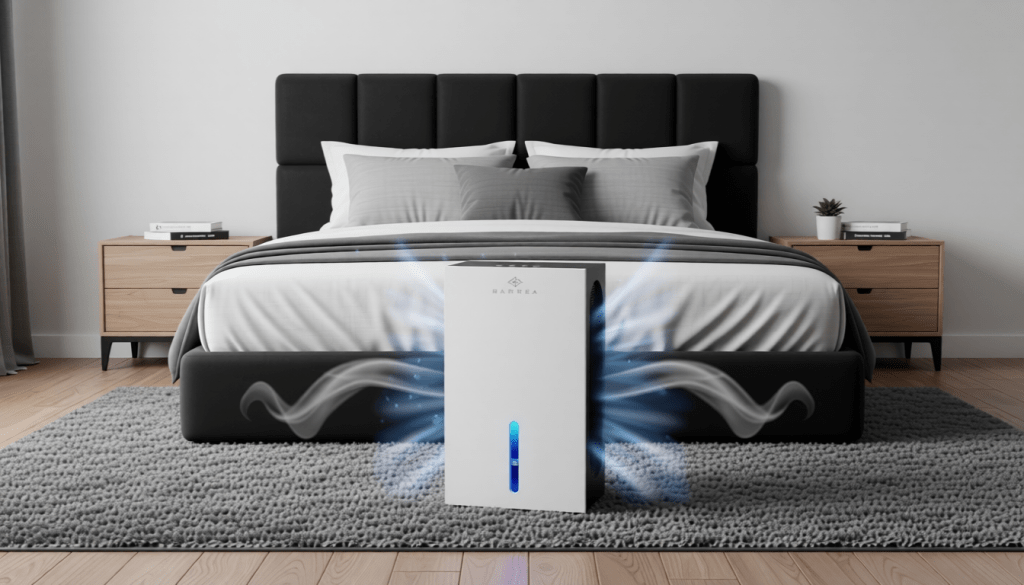
Dehumidifier for Room Moisture During the Indian Monsoon Season
December 20, 2025
You know how the Indian monsoon makes your bedroom damp. That sticky feeling can make it hard to sleep at night.
Too much humidity can make it harder to sleep and cause tiredness. It can also put stress on your heart and make your body weaker.
- More humidity can make your legs or feet swell.
- Mold and wetness can damage your furniture and electronics.
A dehumidifier for room moisture India helps you fix these problems and keeps your room nice.
Key Takeaways
- High humidity during the monsoon can hurt your health and things. A dehumidifier lowers moisture. This makes air better and you feel more comfortable.
- Using a dehumidifier stops mold and mildew from growing. It keeps your home smelling fresh. It also helps lower allergy problems. Put it in wet places for best results.
- Pick the right size dehumidifier for your room. For rooms up to 500 sq ft, choose models with 30-50 pints. This will help control moisture well.
Why Room Moisture Is a Problem in India

Health and Comfort Issues
You probably notice your room feels sticky and heavy during the monsoon. That’s not just uncomfortable—it can affect your health, too. Everyday activities like cooking, washing dishes, using the washing machine, bathing, sweating, and even breathing add more moisture to the air. When warm, humid air hits cold walls or windows, you see water droplets forming. This makes your room feel damp all the time.
High humidity creates a perfect place for allergens to grow. Mold and dust mites love damp spaces. You might start sneezing more, get a runny nose, or feel your eyes itch. If you have asthma or bronchitis, breathing can get harder. You may feel chest congestion or shortness of breath. Even your sleep can suffer. Tightly made beds trap moisture, which attracts dust mites. These tiny bugs can disturb your sleep and make allergies worse.
Tip: Leave your bed unmade for a while in the morning. This helps air flow and keeps dust mites away.
Damage to Home and Belongings
Moisture doesn’t just make you uncomfortable—it can damage your things, too. Clothes often feel damp and may smell musty. Furniture, especially wood, can swell or get attacked by termites and fungus. Water can seep into walls and floors, causing cracks or mold. Even your electronics are at risk from electrical surges during the rainy season.
Here’s a quick look at common problems:
| Type of Damage | Description |
|---|---|
| Dampness | Clothes get damp and musty. Use camphor balls or neem leaves in cupboards. |
| Water Damage | Furniture and kitchens can suffer. Waterproof coatings help protect them. |
| Termite/Fungus | Wooden items may rot or grow fungus. Lacquer or polish can prevent this. |
| Electrical Surge | Gadgets can short-circuit. Home insurance can help cover these damages. |
If you want to protect your health and your belongings, a dehumidifier for room moisture India can make a big difference during the monsoon.
Dehumidifier for Room Moisture India: Key Benefits
Mold and Odor Prevention
That strange smell in your bedroom or closet during the monsoon is from mold and mildew. When the air stays wet for many days, mold and mildew start to grow on walls, shoes, and clothes. You might see black spots in the corners or smell something odd when you open your cupboard. This happens a lot in Indian homes during the rainy season.
A dehumidifier for room moisture India helps stop this problem. It takes extra water out of the air, so mold and mildew cannot grow easily. If you use a dehumidifier in your bedroom or storage room, the air feels cleaner. The bad smell goes away. You can breathe better, and your room feels nice.
Tip: Put your dehumidifier near places that feel wet or smell bad. You will notice a big change in just a few days.
During the monsoon, the air is very wet, which helps mold grow. A dehumidifier keeps the air dry, so mold cannot spread. This means fewer allergies and a healthier home for your family.
Here is a quick look at how a dehumidifier for room moisture India helps you every day:
| Benefit | Description |
|---|---|
| Better Air Quality | Stops mold, mildew, and dust mites, so health is better, especially for people with allergies. |
| More Comfort | Makes the air less wet, so it feels cooler and nicer during humid times. |
| Protect Your Belongings | Keeps furniture, clothes, and electronics safe by lowering water in the air. |
| Prevents Condensation | Less water on windows and walls, so your home does not get damaged over time. |
Protecting Furniture and Clothes
You work hard to keep your home clean and your things safe. But during the monsoon, wooden furniture can get bigger, and clothes can feel wet or smell bad. If you keep winter blankets or wool clothes in a closet, they might smell strange or feel sticky when you take them out.
A dehumidifier for room moisture India helps keep your things safe. It keeps the air dry, so wooden beds, cupboards, and tables stay strong. You do not have to worry about wood changing shape or getting bigger. Your clothes stay fresh, and you do not see mold on your favorite saree or shirt.
- Dehumidifiers help keep wooden furniture in good shape by lowering water in the air.
- Using a dehumidifier takes out extra water, so wooden things do not get damaged.
- To stop water damage, you need to control how wet the air is, especially in summer.
Electronics also need care during the rainy season. Wet air can make rust or cause short circuits in your devices. When you use a dehumidifier, your gadgets stay safe and work well.
- Using a dehumidifier in wet places keeps electronics safe from too much water.
- It helps make a safe place for devices during the monsoon.
- Dehumidifiers lower water in the air, so electronics do not get wet inside.
- Too much water can cause rust, short circuits, and foggy screens on devices.
- Dry air helps electronics work right without water damage.
You can see that using a dehumidifier for room moisture India is a smart choice. Your home feels cleaner, your things last longer, and you can enjoy the monsoon without worry.
Choosing the Right Dehumidifier for Bedrooms and 500 sq ft Spaces

Sizing and Coverage
Picking the right size dehumidifier matters if you want your bedroom or small living space to feel comfortable during the monsoon. You need to match the dehumidifier’s capacity to your room size. For a space up to 500 square feet, you should look for a model that can handle medium rooms. If your room is too big for the dehumidifier, it will not work well. If it is too small, you might waste energy.
Here’s a quick guide to help you:
| Room Size | Recommended Capacity (pints) |
|---|---|
| Small Rooms (up to 300 sq ft) | 20-30 |
| Medium Rooms (300-500 sq ft) | 30-50 |
| Large Rooms (500-1000 sq ft) | 50-70 |
| Extra Large (over 1000 sq ft) | 70+ |
You also need to think about how much moisture your room collects. Bedrooms in Indian apartments often get very humid during the rainy season. A dehumidifier for room moisture India with a daily capacity of 0.6–1.1 liters works well for most bedrooms and small rooms. This helps keep the air dry and stops mold from growing on your walls or in your closet.
Features to Look For
When you shop for a dehumidifier, you want features that make your life easier. Here are some things you should check before you buy:
- Auto Shut-Off: This feature turns off the machine when the water tank is full. You do not have to worry about spills.
- Dual Drainage System: You can use a water tank or attach a drainage pipe for continuous use. This is helpful if you want to run the dehumidifier all day.
- Washable Filter: A filter you can clean saves money and keeps the air fresh.
- Two Working Modes: You can choose a quiet mode for nighttime or a stronger mode for faster drying.
- Compact Size: A small dehumidifier fits easily in Indian bedrooms, closets, or storage rooms.
- Semiconductor Condensation Technology: This technology works well in warm, humid weather, which is common during the Indian monsoon.
Tip: If you want to protect your furniture and electronics, pick a dehumidifier that removes enough moisture each day. This helps prevent mold, musty smells, and damage to your things.
Why HANNEA Fits Indian Homes
You want a dehumidifier that matches your lifestyle and your home. HANNEA covers spaces up to 500 square feet, which is perfect for most Indian bedrooms, cloakrooms, and small apartments. Its daily capacity of 0.6–1.1 liters means it can handle the extra moisture that comes with the monsoon.
HANNEA uses semiconductor condensation technology. This works well in the warm, sticky weather you get during the rainy season. The dual drainage system gives you two choices: use the 2.4-liter water tank or connect the 4.9-foot drainage pipe for continuous drainage. You do not have to empty the tank every day if you use the pipe.
You can switch between two working modes. Use the quiet mode at night so you can sleep without noise. Use the stronger mode if you need to dry out a damp room quickly. The washable filter is easy to clean, so you do not have to buy new filters often.
HANNEA’s compact design fits well in Indian apartments. You can place it in your bedroom, closet, or storage room without taking up much space. It is made for long-term use, so you can keep your home dry and comfortable all through the monsoon.
A dehumidifier for room moisture India like HANNEA helps you protect your health, your furniture, and your electronics. You get peace of mind knowing your home stays fresh and dry, even when it rains for days.
Using a Dehumidifier During the Monsoon
Placement and Setup Tips
Getting the most out of your dehumidifier starts with where you put it. You want to make sure air can move around it easily. Place your dehumidifier in the center of your room or near the dampest spot. Keep it at least 30 cm away from walls and furniture. This helps the machine pull in moist air from all sides. Always set it on a flat, stable surface. If your floor shakes, try using anti-vibration pads.
Here’s a quick table to help you set up your dehumidifier:
| Best Practices for Dehumidifier Setup | Details |
|---|---|
| Clearance | Keep at least 30 cm on all sides for good airflow. |
| Surface | Place on a level, stable floor. Use anti-vibration pads. |
| Best Placement | Center of the room or near damp sources. |
Tip: Close doors and windows when your dehumidifier is running. This keeps outside moisture from coming in.
Daily Operation and Modes
You don’t need to run your dehumidifier all day. Use it during the most humid hours, like early morning or late evening. If you want to save electricity, switch to the quiet mode at night. When your room feels extra damp, use the stronger mode for faster results. Remember, air conditioners cool the room, but a dehumidifier for room moisture India really tackles the wet feeling during the monsoon.
Maintenance and Cleaning
A little care goes a long way. Clean the filter every week to keep airflow strong. Empty the water tank before it gets full, or use the drainage pipe for continuous use. Wipe the outside with a dry cloth. Regular cleaning stops mold from growing inside and keeps your machine working well. If you take care of your dehumidifier, it will last longer and save you money on repairs.
You can keep your home and body safe this monsoon by lowering room moisture. When the air is too wet, mold can grow. Wet air can also hurt your walls and make it hard to breathe.
- Use a dehumidifier like HANNEA to keep your room dry
- Look for leaks, close up cracks, and let fresh air in
Start now to make your home safer and cleaner.
FAQ
How often should I run my dehumidifier during the monsoon?
You should run your dehumidifier daily when the air feels damp. Turn it on for a few hours, especially after rain or when your room smells musty.
Where should I place my dehumidifier for best results?
Put your dehumidifier in the center of your room or near the dampest spot. Keep it away from walls and furniture for better airflow.
Tip: Close your windows and doors while the dehumidifier runs. This helps it work faster.
Can I use the dehumidifier at night while I sleep?
Yes, you can use it at night. Switch to quiet mode so you sleep well. The machine will keep your room dry and comfortable.